
How Nanomaterials Are Changing Water Purification (Real Case Studies)

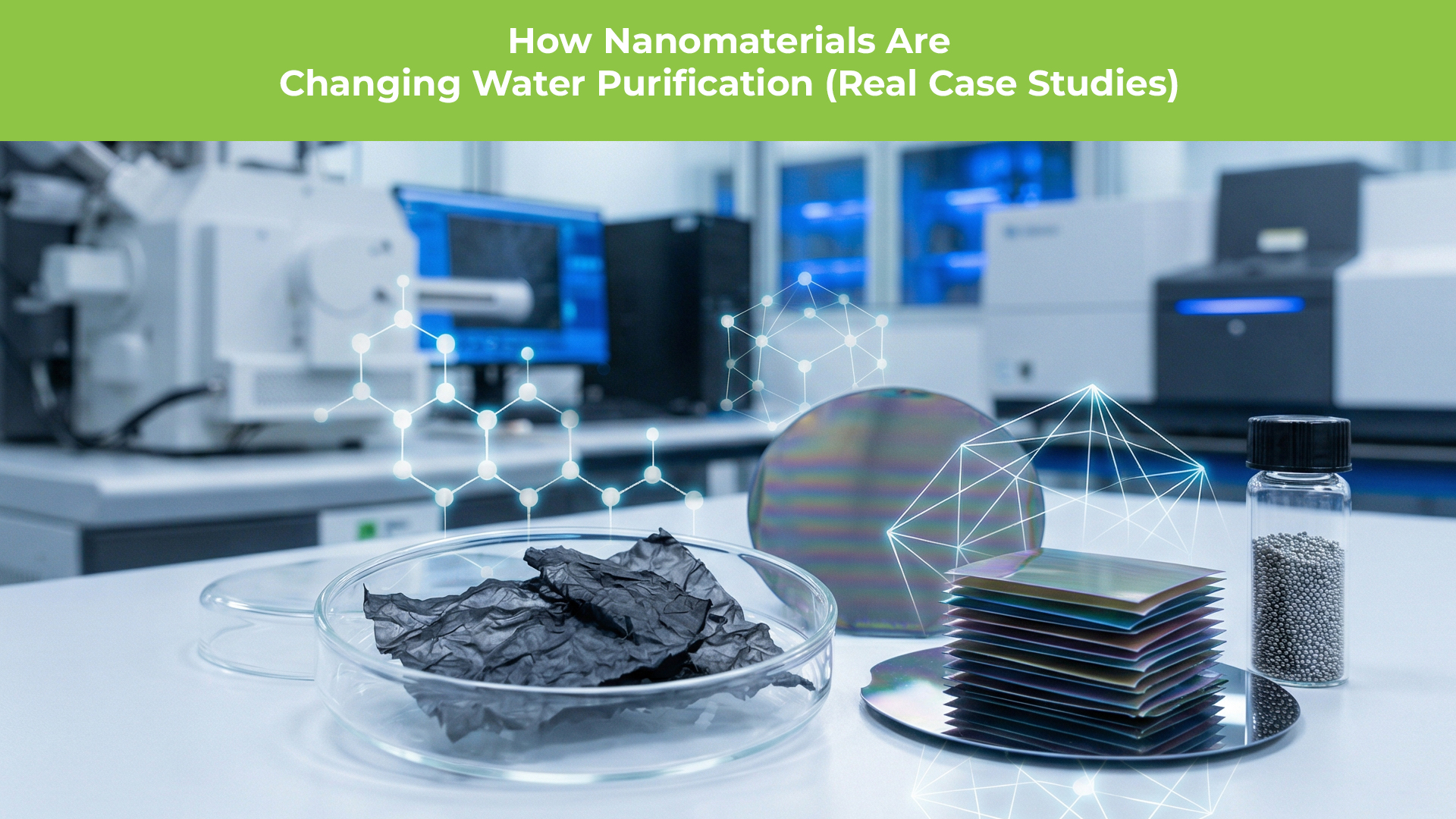
Access to clean and safe water remains one of the world’s most critical challenges. Industrial discharge, agricultural runoff, heavy metals, pathogens, and emerging contaminants are placing enormous pressure on traditional filtration and treatment systems. This is where nanomaterials water purification technologies are redefining what is possible.
By operating at the molecular and atomic scale, nanomaterials can remove contaminants that conventional methods often fail to capture. From enhanced filtration efficiency to lower energy consumption, nanotechnology in water treatment is rapidly becoming a cornerstone of next generation purification systems.
In this blog, we explore how nanomaterials are used in real world water treatment applications, supported by case studies of nanotechnology water, and explain why companies like Nanochemazone® are advancing nanomaterials for clean water solutions globally.
Why Traditional Water Purification Needs Innovation

Conventional water treatment systems rely on sand filtration, chemical treatment, and membrane processes. While effective to an extent, these systems face limitations such as:
- Inability to remove nano scale contaminants
- High energy consumption
- Membrane fouling and frequent maintenance
- Limited effectiveness against heavy metals and pathogens
- Chemical by products impacting water quality
These challenges have accelerated research into advanced water purification with nanotech, offering precision, efficiency, and sustainability.
What Makes Nanomaterials Effective in Water Purification?
Nanomaterials exhibit unique properties due to their extremely small size and high surface area to volume ratio.
Key Properties That Enhance Performance
- Superior adsorption capacity
- Enhanced antimicrobial activity
- Tunable surface chemistry
- Improved permeability and selectivity
- Reduced fouling in filtration systems
These features form the foundation of modern nanotechnology in water treatment systems.
Types of Nanomaterials Used in Water Treatment
1. Carbon Based Nanomaterials
Graphene oxide and carbon nanotubes are widely used due to their high adsorption capability for organic pollutants and heavy metals.
2. Metal and Metal Oxide Nanoparticles
Silver, iron oxide, titanium dioxide, and zinc oxide nanoparticles are effective against bacteria, viruses, and chemical contaminants.
3. Polymeric Nanomaterials
Used in membranes and coatings, these materials improve filtration efficiency and durability.
4. Nano Enabled Membranes
These membranes integrate nanomaterials directly into filtration systems, creating powerful nano filters for water purification.
Nanochemazone® supplies a wide range of nanomaterials suitable for research, pilot projects, and industrial scale water purification applications.
Real Case Studies: Nanotechnology in Water Treatment
Case Study 1: Heavy Metal Removal in Industrial Wastewater
An industrial wastewater treatment facility in Asia implemented iron oxide nanomaterials to remove arsenic and lead from effluent water.
Results:
- Over 95% heavy metal removal efficiency
- Lower chemical usage compared to traditional precipitation methods
- Improved compliance with environmental discharge regulations
This project highlights how nanomaterials water purification improves treatment accuracy while reducing operational costs.
Case Study 2: Nano Filters for Water Purification in Rural Communities
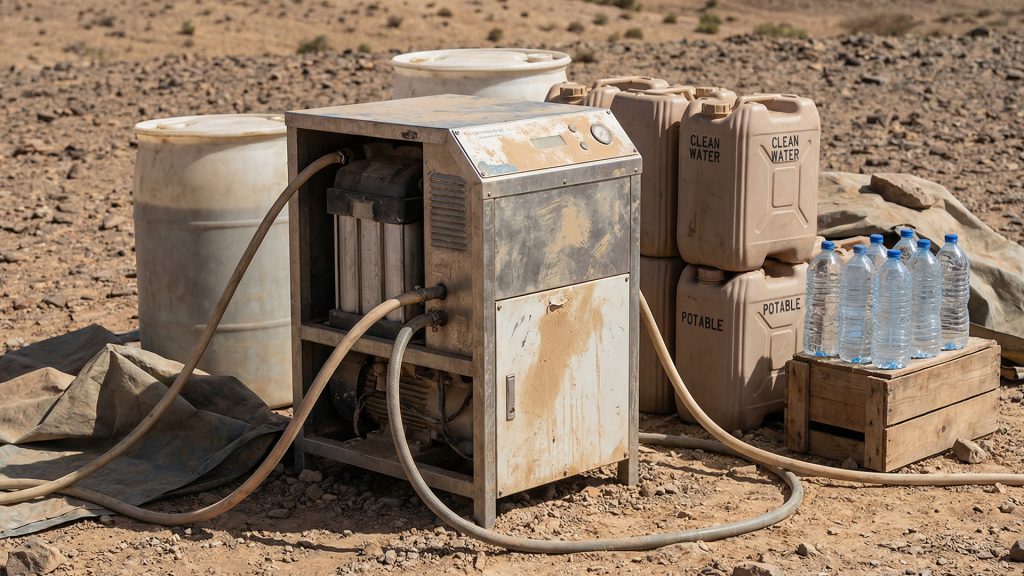
A rural drinking water project deployed nano enabled filtration membranes to treat groundwater contaminated with bacteria and organic pollutants.
Results:
- Significant reduction in microbial contamination
- Low pressure operation suitable for remote locations
- Longer membrane lifespan with reduced fouling
These nano filters for water purification provided a scalable and affordable solution for clean drinking water.
Case Study 3: Advanced Water Purification with Nanotech in Desalination
A coastal desalination facility integrated graphene based nanomaterials into membrane systems.
Results:
- Improved salt rejection rates
- Reduced energy consumption
- Increased water throughput
This application demonstrates advanced water purification with nanotech for addressing global freshwater shortages.
Case Study 4: Antimicrobial Nanomaterials in Municipal Water Systems
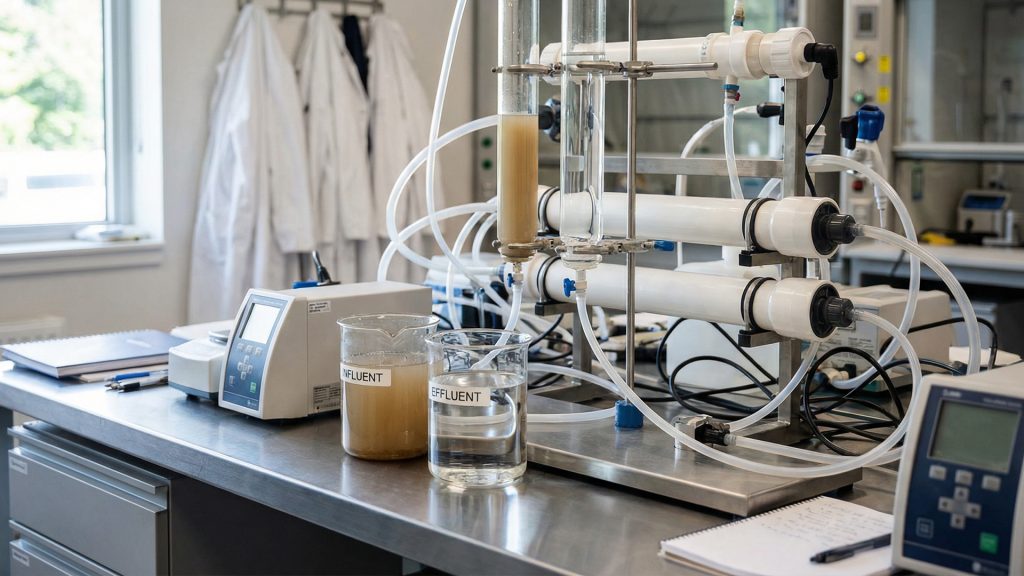
Silver nanoparticle coated filters were introduced into a municipal water supply to reduce bacterial growth.
Results:
- Enhanced antimicrobial performance
- Reduced need for chemical disinfectants
- Improved taste and odor of water
This is one of many case studies of nanotechnology water showing how nanomaterials improve public health outcomes.
Nanomaterials vs Conventional Water Treatment Methods
| Treatment Method | Efficiency | Energy Use | Maintenance | Contaminant Removal Range |
| Conventional Filtration | Moderate | High | Frequent | Limited |
| Chemical Treatment | Moderate | Moderate | High | Chemicals & microbes |
| Reverse Osmosis | High | Very High | High | Salts & organics |
| Nanomaterials Water Purification | Very High | Lower | Reduced | Heavy metals, microbes, nano pollutants |
This comparison clearly illustrates the benefits of nano materials in water treatment.
Key Benefits of Nano Materials in Water Treatment
The adoption of nanomaterials offers multiple advantages:
- High contaminant removal efficiency
- Reduced chemical dependency
- Energy efficient purification
- Longer filter and membrane lifespan
- Scalability for industrial and community use
- Improved environmental sustainability
These benefits of nano materials in water treatment make them ideal for addressing both current and future water challenges.
Role of Nanochemazone® in Clean Water Innovation
As a global supplier of advanced nanomaterials, Nanochemazone® supports water treatment innovation by providing:
- High purity nanomaterials for R&D
- Industrial grade materials for large scale deployment
- Custom nanomaterial formulations
- Consistent quality and global supply
Nanochemazone® enables researchers and manufacturers to build effective nanomaterials for clean water solutions across diverse applications.
Future Outlook: Nanotechnology and Clean Water
The future of water purification lies in smart, adaptive systems. Emerging research focuses on:
- Self cleaning nano membranes
- Nanomaterials for pollutant sensing
- Hybrid nanotech biotech purification systems
- Low cost nanomaterials for developing regions
As innovation accelerates, nanotechnology in water treatment will play a decisive role in ensuring global water security.
Final Thoughts
From industrial wastewater treatment to drinking water purification and desalination, nanomaterials are transforming how we access and protect clean water. Supported by real world case studies of nanotechnology water, it’s clear that nanomaterials offer superior efficiency, sustainability, and scalability.
With continued research and reliable material suppliers like Nanochemazone®, advanced water purification with nanotech is no longer a future concept, it is already shaping the present.
FAQs
1. What are nanomaterials used for in water purification?
They are used to remove heavy metals, pathogens, salts, organic pollutants, and nano scale contaminants with high efficiency.
2. How does nanotechnology improve water treatment systems?
Nanotechnology enhances adsorption, filtration, antimicrobial action, and energy efficiency compared to conventional methods.
3. Are nano filters for water purification safe?
Yes, when properly designed and regulated, nano filters are safe and widely tested in real world applications.
4. What are the main benefits of nano materials in water treatment?
Higher efficiency, lower energy use, reduced chemical dependency, and longer system lifespan.
